Most homes benefit from a deep cleaning every three to six months, but there isn’t one schedule that works for everyone. A home with kids, pets, or a lot of daily activity may need one more often, while a quieter household may be able to go longer.
Think of deep cleaning as the bigger reset that happens alongside your regular cleaning. Your usual routine keeps up with everyday messes, while a deep clean takes care of dust, dirt, and buildup that often get missed.
What Is a Deep Cleaning for a House?
Regular cleaning keeps up with the surfaces and tasks that need attention most often. Deep cleaning takes more time to address buildup and commonly overlooked areas, such as baseboards, light fixtures, door frames, and spaces behind or beneath accessible furniture.
Knowing the difference can help you decide when your home needs more than its usual cleaning routine and which tasks to add to your schedule.
Why Deep Cleaning Goes Beyond Routine Cleaning
Regular cleaning is mainly about maintenance. Vacuuming floors, wiping counters, cleaning bathrooms, and taking care of everyday messes help keep a home manageable from week to week.
Deep cleaning is different because it focuses on the details that are easier to postpone. Dust can settle on ceiling fans and light fixtures, grime can collect around bathroom fixtures, and buildup can accumulate along baseboards and other surfaces that are less frequently cleaned.
What Does a House Deep Cleaning Include?
A deep cleaning can cover the entire home, including kitchens, bathrooms, bedrooms, living areas, hallways, stairs, and floors. The exact checklist depends on the home and service, but detailed tasks may include cleaning baseboards, door and window frames, window sills, light fixtures, ceiling fans, high-touch surfaces, and accessible areas behind or under furniture.
In the kitchen, a deeper clean may also include the inside of an oven or refrigerator. Bathrooms can receive additional attention around tubs, showers, toilets, fixtures, and surrounding surfaces.
How Deep Cleaning Fits Into Your Routine
Deep cleaning should be scheduled alongside regular cleaning rather than used as a replacement for it. Routine cleaning handles the mess that comes back quickly, while periodic deep cleaning gives less frequently cleaned areas the attention they need.
This approach makes it easier to maintain your home without trying to complete every cleaning task every week.
How Often Should You Deep Clean Your House?
Deep cleaning every three to six months is a reasonable starting point for many households. Some homes may need more frequent detailed cleaning, while others can go longer between deep cleans.
The main factor is how quickly your home develops visible dust, dirt, hair, grease, soap residue, and other buildup. If your regular cleaning routine keeps most areas in good shape but certain details remain neglected, it may be time for a deep clean.
A practical way to choose your cleaning frequency is to consider your household’s activity level. Homes with pets, children, frequent guests, or heavy foot traffic may benefit from deep cleaning every 3 months. A smaller household with less daily activity may be comfortable with a schedule closer to every six months.
What Affects Your Deep Cleaning Frequency?
There is no universal deep cleaning schedule that works for every household. The amount of cleaning your home needs depends on who lives there, how the space is used, and how quickly dirt and dust accumulate.
Looking at these factors can help you create a schedule that makes sense for your home instead of following an arbitrary timeline.
Household Size and Daily Activity
More people generally means more activity throughout the home. Kitchens, bathrooms, entryways, and shared living areas can see more frequent use, which can also mean more dirt and buildup.
If several people live in your home or you spend most of your day there, you may need to deep clean more frequently. Pay particular attention to the areas everyone uses most.
Pets and Pet Hair
Pets can increase the amount of hair, dirt, and debris that collects around your home. Floors, furniture, corners, baseboards, and areas underneath beds or couches can require additional attention.
Regular vacuuming can help manage pet hair, but it does not eliminate the need for occasional detailed cleaning. If you notice hair and dust returning quickly after cleaning, consider shortening the time between deep cleans.
Children and Household Messes
Children can increase cleaning needs in areas such as bedrooms, play spaces, kitchens, dining areas, and bathrooms. Spills, crumbs, fingerprints, and everyday activity can create additional buildup.
A consistent routine can handle most of these messes as they happen. Deep cleaning can then focus on the surfaces and areas that are not part of everyday maintenance.
Allergies, Dust, and Indoor Air Concerns
Dust can collect in easy-to-overlook places, including ceiling fans, light fixtures, baseboards, blinds, vents, and areas behind furniture.
If your home becomes noticeably dusty between regular cleanings, you may benefit from more frequent detailed cleaning. Keeping up with routine dusting and vacuuming is still important, since deep cleaning is not a substitute for regular maintenance.
What Does a Deep Cleaning Include?
A useful deep clean list should cover both the obvious surfaces and the areas that are easy to skip. Looking at your home room by room can help make sure important tasks do not get left out.
The specific checklist will vary depending on the condition of the home and the service you choose, but these are some areas that typically need extra attention.
Kitchen and Appliances
The kitchen tends to collect grease, food residue, crumbs, and spills throughout the day. A deep clean can address countertops, sinks, backsplashes, stovetops, cabinet fronts, floors, and appliance surfaces.
Depending on the service, deeper cleaning may also include the interiors of appliances, such as the oven and refrigerator, as well as accessible areas underneath or behind them.
Bathrooms and Fixtures
Bathrooms can develop soap residue, grime, and buildup around showers, tubs, sinks, toilets, and fixtures. These areas need more than a quick wipe when buildup has accumulated.
A detailed bathroom cleaning should include the main surfaces, surrounding areas, mirrors, fixtures, floors, and other easy-to-overlook spots.
Floors, Baseboards, and Trim
Floors may be vacuumed and mopped regularly, but baseboards and trim are often cleaned less frequently. Dust and dirt can collect along these edges, particularly in high-traffic areas.
During a deep clean, pay attention to baseboards, corners, door frames, and other areas around the perimeter of each room.
Bedrooms and Living Areas
Bedrooms and living rooms collect dust, pet hair, crumbs, and everyday debris. Furniture, floors, tables, light fixtures, and other surfaces can all benefit from more detailed cleaning.
Look underneath and behind accessible furniture as well. These spaces can collect significant amounts of dust without being visible during routine cleaning.
How to Build a Deep Cleaning Schedule
Creating a deep-cleaning schedule makes it easier to avoid forgetting less frequent tasks. Instead of trying to complete every detailed task in one day, divide them based on how often they realistically need attention.
Start with monthly tasks, then add more involved jobs every few months or once or twice a year.
Tasks to Do Monthly
Monthly deep-cleaning tasks can include dusting ceiling fans and light fixtures, wiping door frames, cleaning window sills, and checking baseboards for visible buildup.
Homes with pets, children, or heavy traffic may need some of these tasks more frequently.
Tasks to Do Every Few Months
Every few months, focus on areas that require more time, such as detailed bathroom cleaning, kitchen buildup, appliance interiors, blinds, and accessible areas behind or underneath furniture.
This is also a good time to look for areas that have gradually been left out of your normal cleaning routine.
Tasks to Do Once or Twice a Year
Some tasks simply do not need to be completed every few months. Depending on your home, you may reserve more extensive cleaning for once or twice a year.
This could include detailed cleaning of less-used spaces, seasonal cleaning, or areas that do not accumulate much dirt during normal use.
Deep Cleaning Schedule
The following schedule gives you a simple starting point. It is not a strict rule, so adjust the frequency based on your home’s needs and how quickly buildup returns.
| Frequency | Tasks to Consider |
| Monthly | Baseboards, windowsills, light fixtures, ceiling fans |
| Every 2–3 months | Detailed bathrooms, kitchen buildup, blinds, hard-to-reach areas |
| Every 3–6 months | Appliance interiors, areas behind furniture, detailed whole-home cleaning |
| Once or twice a year | Less-used areas and larger seasonal cleaning projects |
The goal is to create a deep-clean schedule you can actually maintain. You do not have to complete every task during every deep clean. Prioritize the areas that need attention most and rotate less urgent tasks throughout the year.
What Areas Are Easy to Miss During Deep Cleaning?
Even when you follow a detailed checklist, some parts of a home are easy to forget. These areas are often outside your normal line of sight or take additional time to reach.
Knowing where buildup commonly hides can help you create a more complete cleaning routine.
Behind and Under Furniture
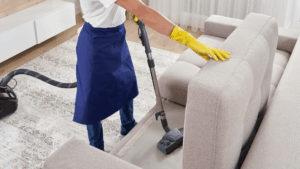
Beds, couches, tables, and other furniture can collect dust, hair, crumbs, and debris underneath and behind them. These areas are especially easy to overlook because they are not visible during everyday cleaning.
When furniture can be moved safely, include the accessible floor and surrounding areas in your deep cleaning routine.
Baseboards, Doors, and Trim
Baseboards can collect dust and dirt along the edges of rooms, while doors and frames can develop fingerprints and marks from daily use.
Wiping these surfaces periodically helps prevent buildup from becoming noticeable and keeps your deep cleaning checklist from focusing only on floors and countertops.
Light Fixtures, Fans, and Vents
Ceiling fans, light fixtures, and vents are often cleaned less frequently because they are harder to reach. Dust can accumulate on these surfaces over time.
Include them in your periodic cleaning schedule, particularly if you notice visible dust or if they have not been cleaned for several months.
Inside Cabinets and Appliances
Cabinet interiors and appliance interiors are another group of tasks that can easily be postponed. Kitchens are particularly prone to this because food particles and grease can accumulate in areas that are not immediately visible.
Add these tasks to your deeper cleaning rotation instead of trying to fit them into every routine cleaning session.
How Often Do People Clean Their House?
People clean their homes at different frequencies depending on their household and daily routines. Some households clean a little every day, while others rely more heavily on weekly, biweekly, or monthly cleaning.
It helps to separate regular cleaning frequency from deep cleaning frequency. Floors, bathrooms, kitchens, and frequently used surfaces may need attention every week or more often, while baseboards, light fixtures, appliance interiors, and other detailed areas can be handled less frequently.
For households that use a professional cleaning service, a recurring schedule can handle regular maintenance, while deep cleaning is scheduled periodically when the home needs additional attention.
How to Keep Your Home Clean Between Deep Cleans
A deep clean will not last if everyday messes are left to accumulate. Simple maintenance between deep cleaning appointments can make it easier to keep your home looking and feeling clean.
The key is to focus on the areas that become dirty fastest rather than trying to clean everything every day.
Stay Consistent With High-Traffic Areas
Entryways, kitchens, bathrooms, and shared living spaces usually need the most frequent attention. Vacuuming, sweeping, wiping surfaces, and dealing with visible dirt can prevent these areas from becoming overwhelmed.
Give these spaces priority when you have limited time.
Clean Small Messes Before They Build Up
A spill, crumb, or small pile of clutter is easier to handle immediately than after it has been sitting for several days.
Cleaning small messes as they happen can reduce the buildup your home accumulates between deep cleaning sessions.
Keep Up With Regular Cleaning
Regular cleaning provides the maintenance your home needs between deeper visits. Depending on your household, this may mean cleaning weekly, biweekly, or at another interval that fits your routine.
Once you have a consistent maintenance schedule, deep cleaning can focus on the detailed tasks that require additional time and attention.
When Is a Full House Deep Cleaning Needed?
A full house deep cleaning can be useful when routine cleaning is no longer enough to keep up with accumulated dirt and buildup. It can also be a practical choice when you want to reset the entire home rather than tackle individual areas one at a time.
Consider scheduling one before or after a move, before hosting guests, after a particularly busy period, or when detailed cleaning has been postponed for several months.
A full deep clean can also be a good starting point before beginning recurring cleaning. Once the home has been thoroughly cleaned, regular visits can focus on maintaining those results.
Get Your Home on a Cleaning Schedule With Cleanadora
Knowing how often to deep clean your house is only part of keeping your home manageable. The most effective approach combines regular cleaning with periodic deep cleaning based on how your household actually uses the space.
Cleanadora offers residential cleaning services for homes and apartments, including recurring cleaning and more detailed cleaning for areas that need additional attention. With flexible cleaning frequencies, you can choose a schedule that works with your household instead of trying to fit your home into a one-size-fits-all routine.
If your home is overdue for a detailed clean, Cleanadora can help you get back on a consistent cleaning schedule.